Complaints Procedure for Cleaner Dulwich
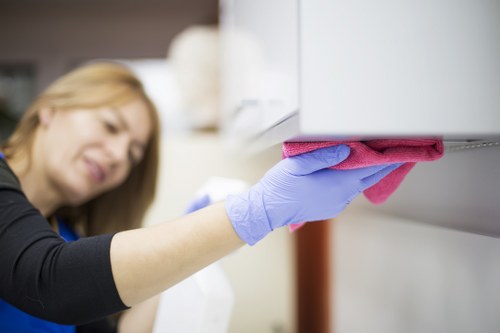 A clear complaints procedure helps ensure every cleaning service is handled fairly, professionally, and consistently. When issues arise, a well-structured process gives customers confidence that concerns will be taken seriously and resolved in an orderly way. For a Cleaner Dulwich service, the aim is not only to address problems quickly but also to improve standards over time through careful review and practical action.
Complaints may relate to missed tasks, timing issues, communication concerns, property handling, or service quality. Whatever the concern, the process should make it easy to raise the matter and understand what happens next. A strong procedure is built on clarity, respect, and accountability, allowing both the customer and the cleaning team to work toward a fair outcome.
 The first step is always to acknowledge the complaint promptly. This shows that the concern has been received and is being considered. An effective cleaner complaints policy should explain how the issue will be recorded, who will review it, and how the customer will be kept informed. Timely acknowledgement also helps prevent frustration from growing while the matter is being investigated.
Once acknowledged, the complaint should be reviewed carefully. This usually involves checking the service details, the time of visit, the requested tasks, and any relevant notes about the appointment. If needed, the team may discuss the concern with the cleaner involved to understand what happened. A fair complaints process for cleaning services focuses on facts, not assumptions.
In many cases, a simple explanation or correction can resolve the issue. If part of the job was missed, it may be appropriate to arrange a return visit or another suitable remedy. If the concern is about behaviour, communication, or procedure, the response should address that directly and explain the steps being taken to prevent repetition. The goal is to restore confidence while maintaining professionalism.
 A good Cleaner Dulwich complaints procedure should also define expected timeframes. Customers benefit from knowing when they can expect an update and when a final response will be provided. While not every complaint can be solved immediately, regular communication helps show that the matter is progressing. A structured timeline supports consistency and reduces uncertainty for everyone involved.
It is important that complaints are handled with discretion and care. Sensitive information should be managed responsibly, and only the people who need to be involved should review the details. This helps protect privacy and ensures the complaint is handled in a calm, respectful manner. A professional cleaning complaints policy should balance openness with confidentiality.
Where a complaint is upheld, the response should include a clear explanation of what went wrong and what will be done differently in future. This may involve updated instructions, additional checks, refresher training, or improvements in internal procedures. If the complaint is not upheld, the reasons should still be communicated clearly and politely, with enough detail to show how the conclusion was reached.
Documentation is another important part of the process. Keeping accurate records of complaints, findings, and outcomes helps identify patterns and recurring concerns. Over time, this information can be used to improve service quality and reduce repeated issues. A professional cleaner complaints procedure should therefore support both resolution and learning.
Staff training plays a major role in preventing complaints from arising and in ensuring they are managed well when they do occur. Cleaners and supervisors should understand the standards expected of them, including punctuality, attention to detail, respectful conduct, and care for property. Training should also cover how to respond calmly if a customer raises a concern in person.
 When a complaint cannot be solved immediately, it helps to offer a realistic next step. This might include a review by a supervisor, a follow-up inspection, or another appropriate form of assessment. Even when the outcome is still being considered, the customer should feel that the matter is moving forward. A clear Cleaner Dulwich service complaints process should never leave concerns in limbo.
Fairness is central to any complaint-handling system. Each issue should be assessed on its own merits, with equal attention given to the customer’s account and the service records. If there are differing views about what happened, the procedure should allow for proper review rather than quick conclusions. This helps maintain trust and supports a balanced approach to service recovery.
Another useful element is the ability to escalate unresolved matters. If the first review does not fully address the concern, the procedure may allow for a second-stage assessment by a senior member of staff. This adds independence to the process and ensures serious issues receive proper consideration. A well-designed cleaning service complaints procedure should include escalation without making the process unnecessarily complicated.
Good communication during the complaint process should be calm, polite, and solution-focused. The language used should avoid blame and instead focus on facts, next steps, and practical outcomes. In this way, the process remains professional even when the issue itself is inconvenient or disappointing. Clear communication is often one of the most important parts of successful complaint resolution.
 A final review of the complaint can help confirm that the issue has been dealt with appropriately and that any agreed actions have been completed. This closing stage should not feel rushed. Instead, it should reassure the customer that the matter has been taken seriously from beginning to end. A dependable complaints procedure for Cleaner Dulwich supports high standards, accountable service, and continuous improvement in every part of the cleaning process.