Health and Safety Policy for Cleaner Dulwich
 Health and safety are central to every professional cleaning service. This policy sets out the standards expected from a Cleaner Dulwich service, ensuring work is carried out carefully, responsibly, and with respect for the wellbeing of staff, clients, and anyone who may be present at the property. A safe cleaning operation depends on planning, awareness, and consistent use of correct procedures.
The aim of this policy is to reduce risk while maintaining a high-quality result. Every cleaner should understand that cleaning work can involve slips, chemical exposure, manual handling strain, and contact with contaminated surfaces. By following structured methods, a Dulwich cleaner can complete tasks efficiently while keeping hazards under control.
Safety begins before any cleaning task starts. Staff should assess the environment, identify possible dangers, and choose suitable equipment for the job. Proper preparation includes checking floors, ventilation, lighting, and access routes. Where necessary, warning signs should be used to alert others to wet or recently treated surfaces.
Core Responsibilities
Every cleaner must take reasonable care of personal safety and the safety of others. This means using cleaning products as instructed, storing tools properly, and reporting damaged equipment without delay. A cleaner in Dulwich should never continue a task if a situation becomes unsafe or if additional support is required to complete the work correctly.
Managers and supervisors are responsible for providing suitable training, safe systems of work, and clear instructions. They must also ensure that risks are reviewed regularly and that new equipment or products are introduced only after their safe use has been assessed. Good communication supports a safer workplace and helps prevent avoidable incidents.
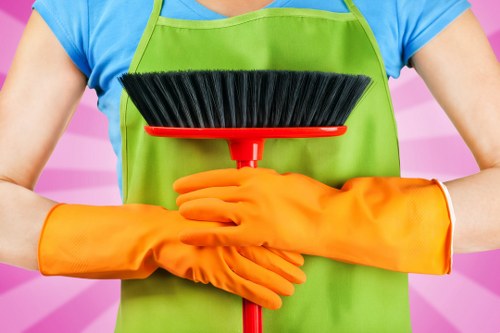
 Protective equipment should be selected according to the task. Gloves, aprons, and non-slip footwear are commonly required, while eye protection may be needed when using stronger products or when splashes are possible. Personal protective equipment should be kept clean, replaced when worn, and used consistently whenever risk demands it.
Safe Working Practices
Cleaning operations should follow an ordered routine that reduces confusion and exposure to hazards. This includes working from cleaner areas to dirtier areas, separating domestic waste from recyclable materials where appropriate, and ensuring that cloths and tools are used for the correct surfaces. A Dulwich cleaning service should maintain high standards without rushing, as haste increases the chance of mistakes.
Wet floors are a common cause of accidents. Spills should be dealt with promptly using suitable absorbent materials and clear drying procedures. If a floor cannot be dried immediately, access should be restricted until it is safe. Equipment such as buckets, mops, vacuums, and extension leads should be positioned to avoid trip hazards and should never block escape routes.
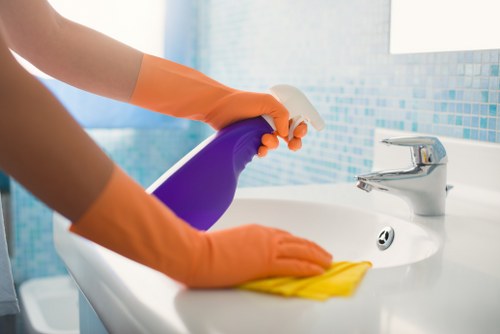 Chemical safety is essential. Cleaners should never mix products unless the instructions explicitly allow it, and they should always read labels before use. Products must be stored securely, away from food and from children or vulnerable occupants. In a professional Cleaner Dulwich setting, safer product choice and controlled application are preferred over excessive use of harsh substances.
Training, Handling, and Reporting
Manual handling is another important area of risk. Heavy bins, equipment, and supplies should be lifted using correct technique and, where possible, moved with assistance or mechanical aids. Cleaners should plan lifts, keep loads close to the body, and avoid twisting. If an item is too heavy or awkward, the task should be adapted rather than forcing an unsafe lift.
Training should cover the correct use of equipment, emergency procedures, infection control awareness, and the safe handling of cleaning agents. Refresher training helps maintain standards and ensures new methods are understood. A cleaning service in Dulwich benefits from staff who are confident, informed, and able to apply safe practice in different environments.
Any accident, near miss, damaged item, or unsafe condition must be reported promptly. Prompt reporting allows corrective action before a minor issue becomes serious. Records should be kept where required so patterns can be identified and improvements made. Open reporting is part of a healthy safety culture and should be encouraged rather than discouraged.
Emergency and Hygiene Measures
 Emergency readiness is part of responsible cleaning work. Staff should know what to do in the event of a spill, injury, fire alarm, or exposure incident. First aid arrangements should be understood in advance, and emergency exits must remain clear at all times. Calm, well-practised responses can reduce harm and prevent further disruption.
Hygiene control is especially important when working in kitchens, washrooms, or areas that may contain bodily fluids or contaminated waste. Tools used in these areas should be separated where possible and cleaned thoroughly after use. A safe Dulwich cleaner follows hygiene protocols carefully to reduce the risk of cross-contamination and maintain a healthier environment.
Good ventilation should be maintained whenever products are used, particularly in enclosed spaces. Staff should avoid prolonged exposure to dust, fumes, or strong odours, and should take breaks when necessary. Cleaners must also stay alert to signs of fatigue, dehydration, or discomfort, as personal wellbeing directly affects safe performance.
Monitoring and Review
 This policy should be reviewed regularly to ensure it remains effective and suitable for the work being carried out. Reviews should consider incident reports, training needs, changes in equipment, and updates in best practice. A Cleaner Dulwich service that improves continuously is more likely to protect its people and deliver reliable results.
Responsibility for health and safety is shared. Everyone involved in the cleaning process should contribute to a safe environment by working attentively, following instructions, and speaking up when concerns arise. When safety is built into everyday practice, cleaning work can be completed with confidence, consistency, and professionalism.